
PMP artist residency in Split
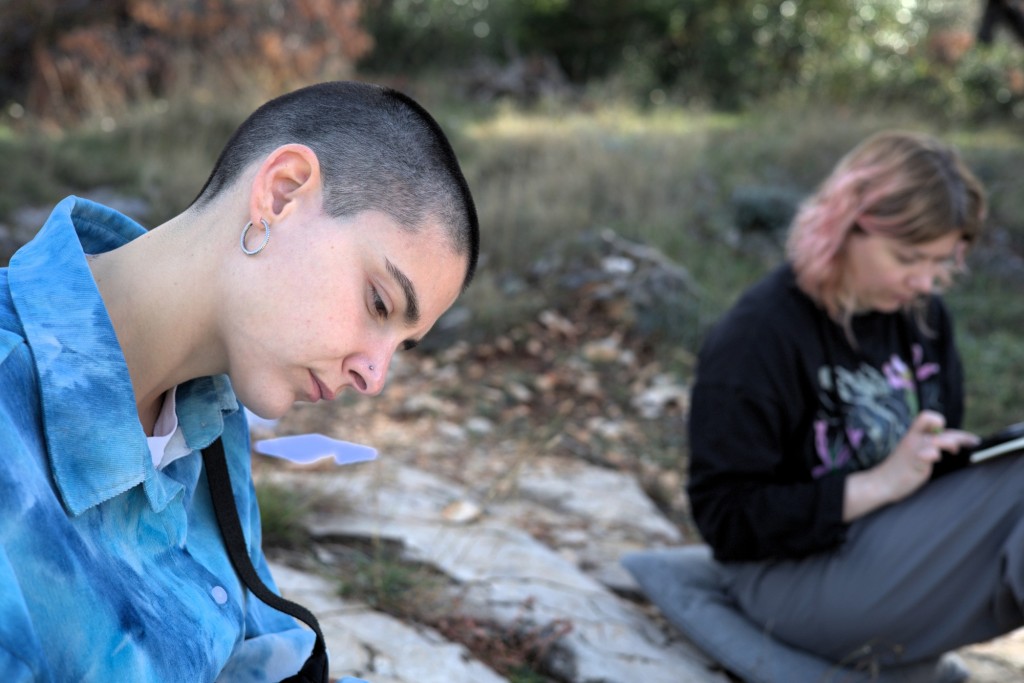
The two-month hybrid residency kicked of with the workshop week in Split in October, during which the residency artists, Alexandra Stroganova and Eleonora Serpente and Roberta Di Serio from collective gruppocorp3 got their first impressions of Split and its vibrant community and artistic scene, but also developed some initial ideas regarding media and professional identity that they will be exploring further during their month-long stay in Split and later online, while working on their articles for the PMP toolkit.
Possibilities of interdisciplinarity within process-based practices
Although coming from different backgrounds, Alexandra Stroganova as a transdisciplinary artists working predominantly with mediums such as photography and video and combining research with experimental uses of materials and sustainable practices, and gruppocorp3 as a performing collective researching through the dance and movement, many meeting points could be identified already at the beginning, and, as residency evolved, its interdisciplinary potential was more than evident.
gruppocorp3’s interests of experimentation on the possibilities of the body in movement and of poetic gesture, the contamination between genres and means, the creation of participative, immersive and inclusive artistic practices, the intersectional feminism and ecology in performance art blended with the Alexandra’s artistic research on hydrofeminism and ethical awareness in the art-making.
The one, most literal though spontaneous, form of collaboration was Alexandra’s video documentation of Eleonora’s movements as something ephemeral, which was a new experience for her. But there was a constant thread that was rooted in the process and that took in account the importance of the process rather than the final outcome – the flow of learning, sharing, giving and receiving the feedback and paying attention to the small things during the journey.
The importance of the communities
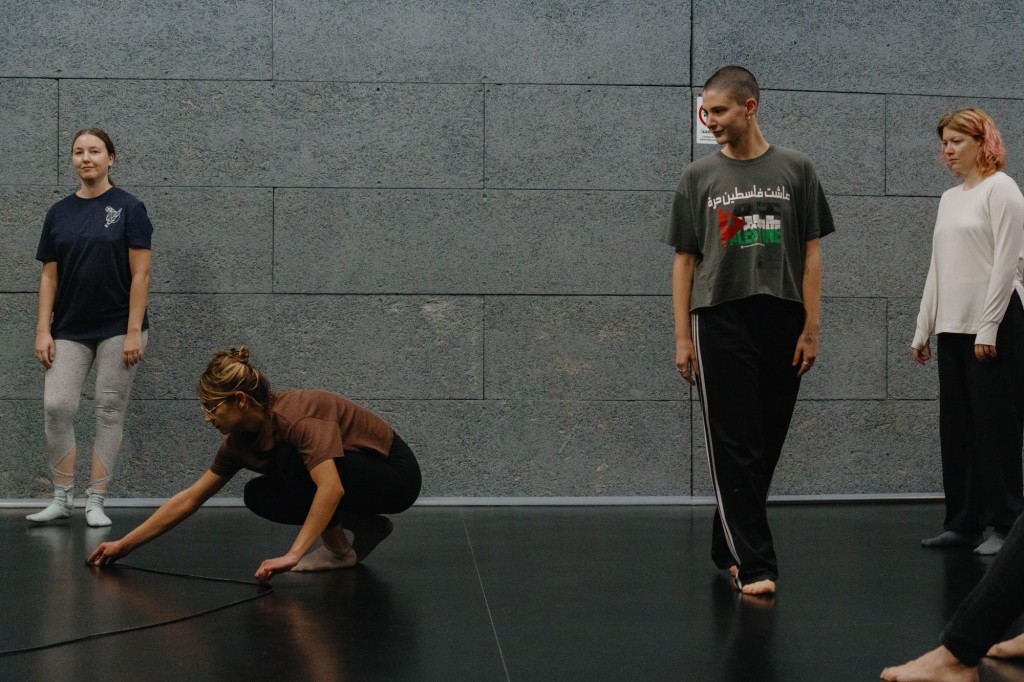
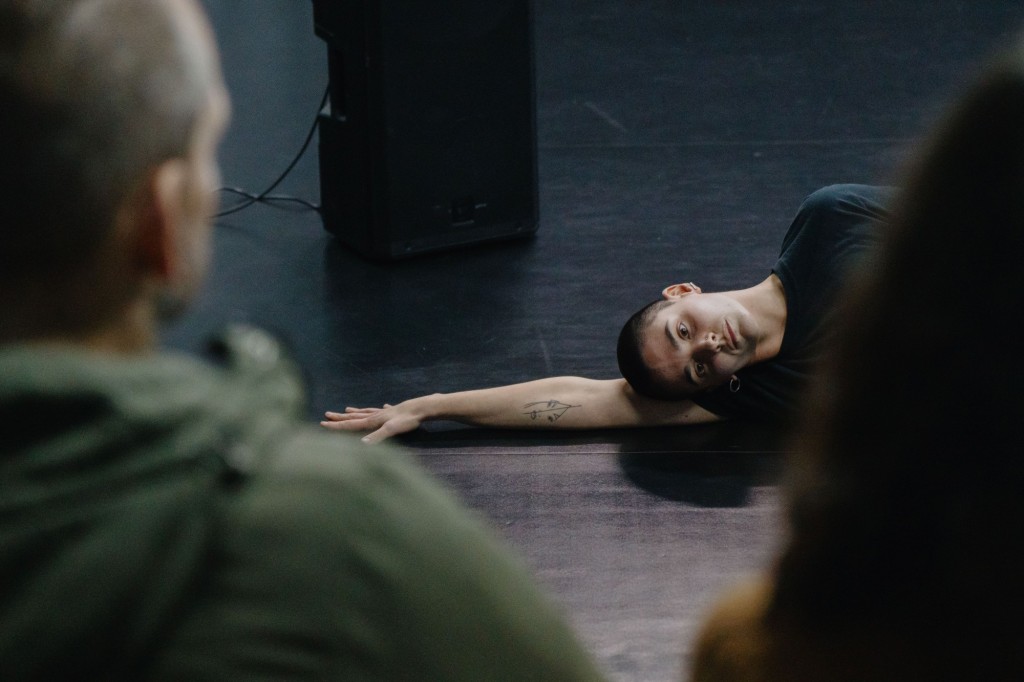
Eleonora Serpente and Roberta di Serio worked intensively, both in-situ and remotely on their new project titled STeReO, a solo performance on the theme of gender stereotypes related to the female body and behaviors. The work involves Eleonora’s dancing body, the use of the voice in various forms (speech, singing, her recorded voice used as a sound environment), and direct communication with the audience. The project stages a body in exploration, examining the internal conflicts between societal judgments, legacies, and the desire for self-discovery and revelation.
They are interested in developing dance works that are not self-referential and aimed solely at aesthetic pleasure but involve people in experiences of sharing, encounter, reflection and care.
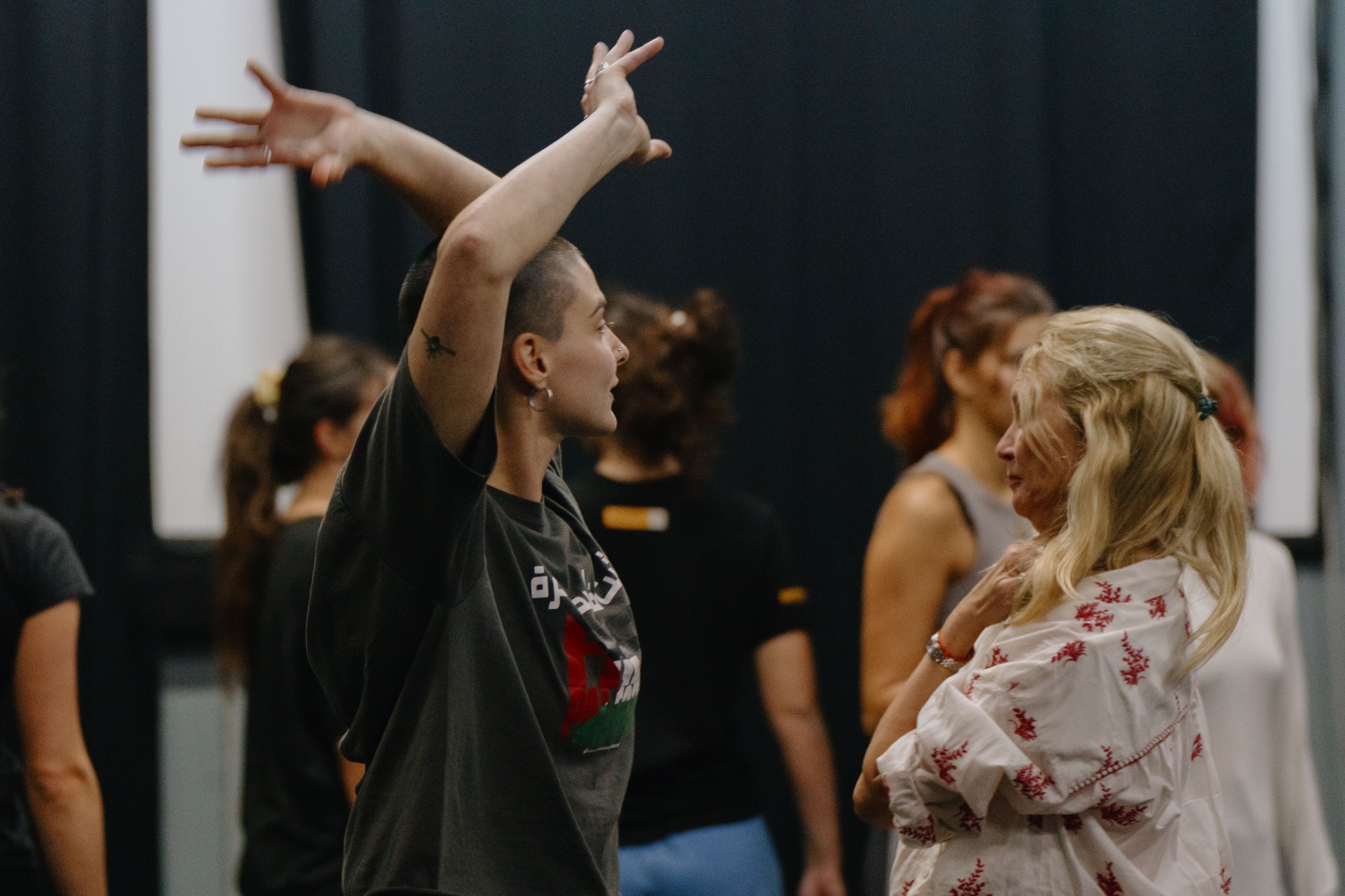
Their intensive work during the 4 weeks culminated in a public performance during the Weekend of Contemporary Dance in Split (14-16 November 2025). As part of the festival, Eleonora also led a group workshop – improvisation and instant composition laboratory that aimed to explore qualities in and with the body, that can reflect more than just what it already knows about itself. This approach, of sharing their research not only through the performance, but also through a free participatory activity open to anyone, without prior knowledge, is also reflected in their artistic research, as they are interested in developing dance works that are not self-referential and aimed solely at aesthetic pleasure but involve people in experiences of sharing, encounter, reflection and care.
– This period of residency in Split has represented a concrete exploration of what, for us as artists, means producing an artistic work, or more broadly, making art. It opened us to the experience of entering an active community from which we could receive massively and freely, and where we could explore giving something back and how to do it in different forms. As a collective of artists, we believe it is essential to participate in residencies where we can immerse ourselves in the communities of the host locations, not only by taking advantage of spaces, time and resources, but also by actively participating in local cultural activities and proposing new ones.
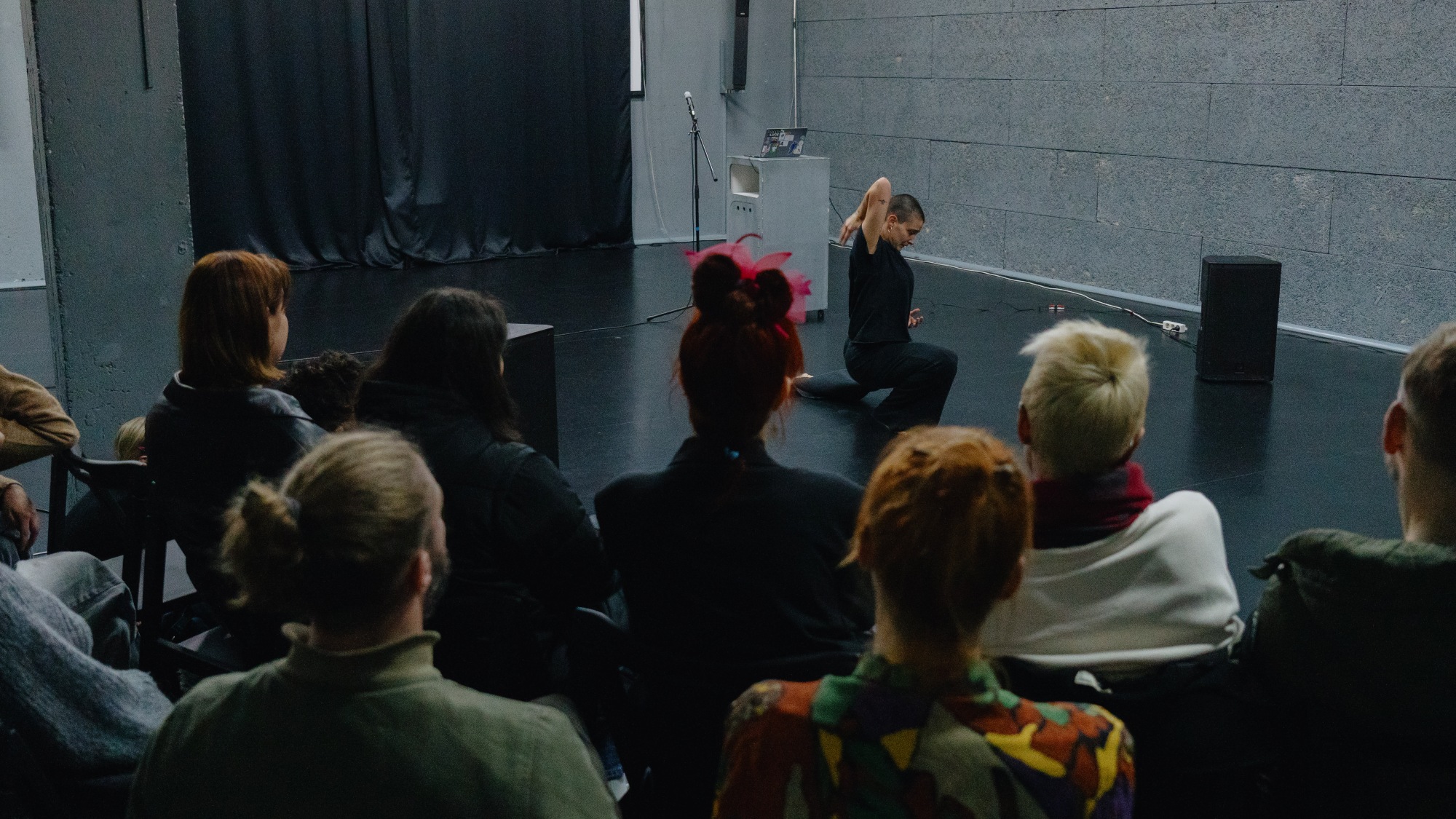
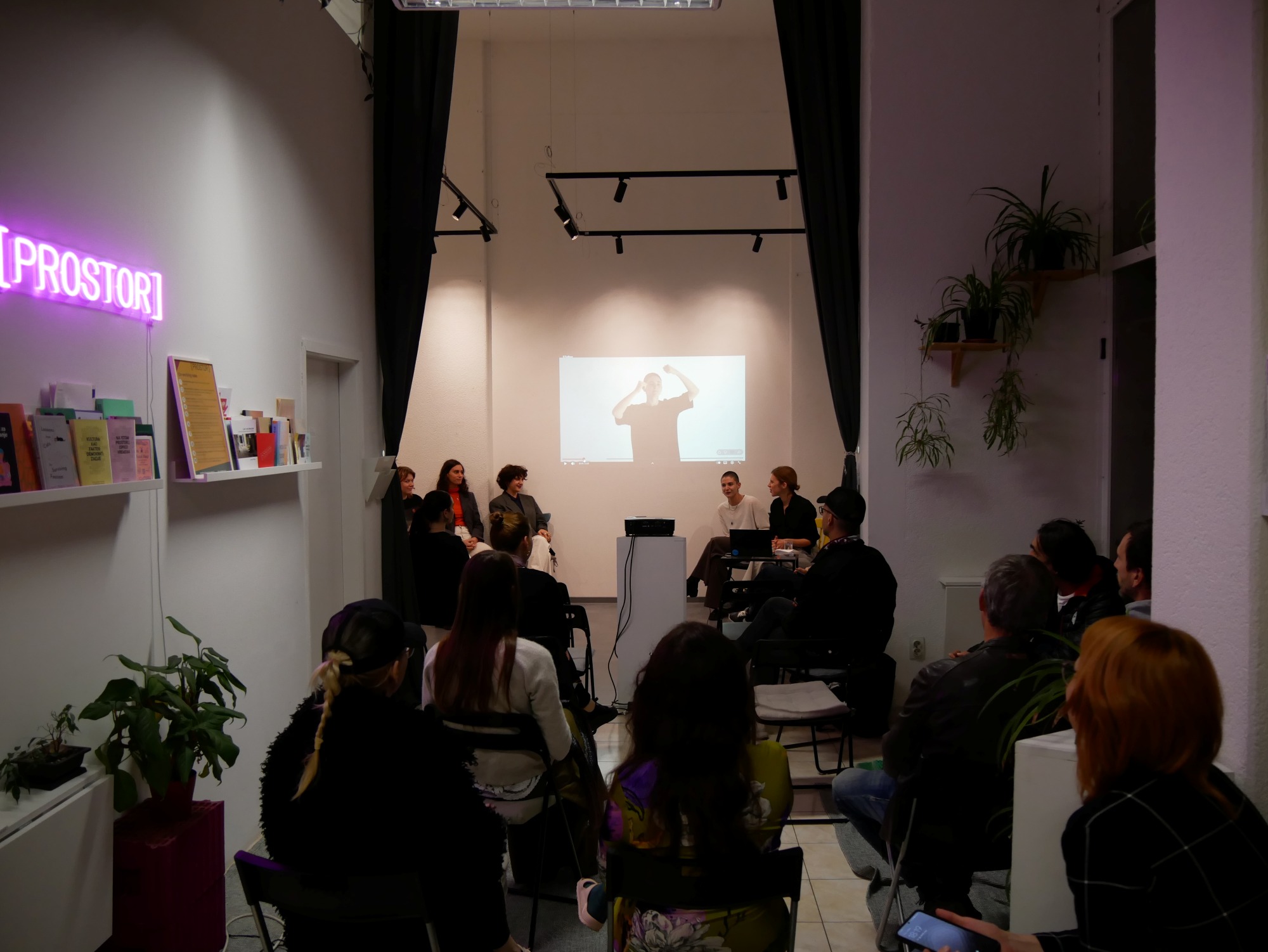
Along with visiting many cultural events that were taking place at that time in Split, both Alexandra and Eleonora took part in other artistic activities organized in Prostor such as a paper-making workshop and this experience was not enriching in just learning or experimenting with new techniques, but also becoming part of the Prostor’s community. We are thankful for this, as they not only became part of our community but also contributed to building and developing it. They also shared their practice through artist talks and presentations organized in Prostor on November 13th.
Practicing hydrofeminism
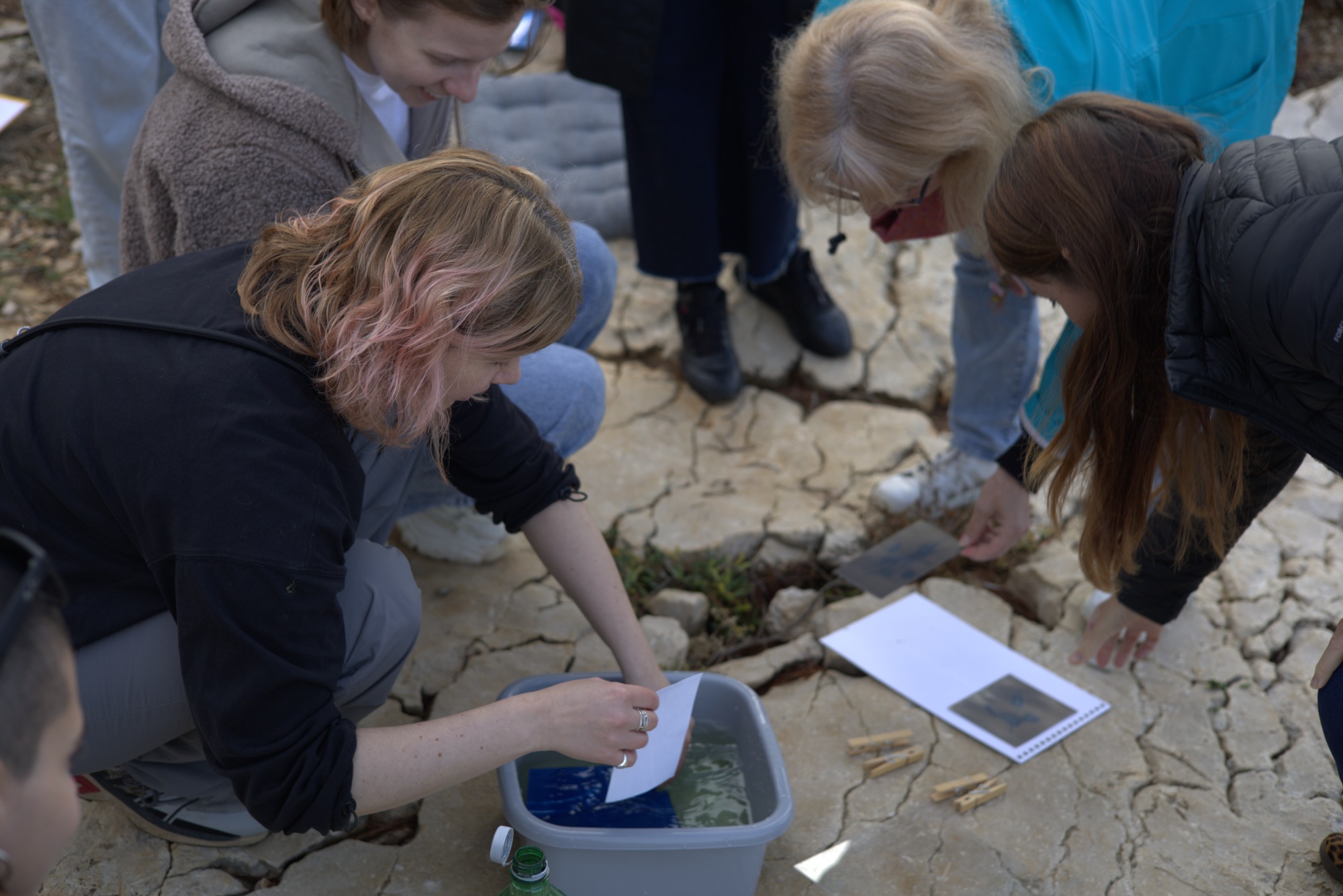
At the end of her stay in Split, Alexandra organized and led a workshop titled “Sensing the Hydrocommons” that took place on Marjan, park forest near Prostor which is also the largest green area in Split. After participating in artist Ivana Papić’s mentoring workshop that also partly took place there during the Workshop Week, Alexandra continued to explore Marjan during her stay and establishing more deep connection with the park forest and the sea surrounding it, so it became a very inspirational and focal site for her research.
Just as water carries ecological and political histories, media infrastructures carry their own biases and consequences.
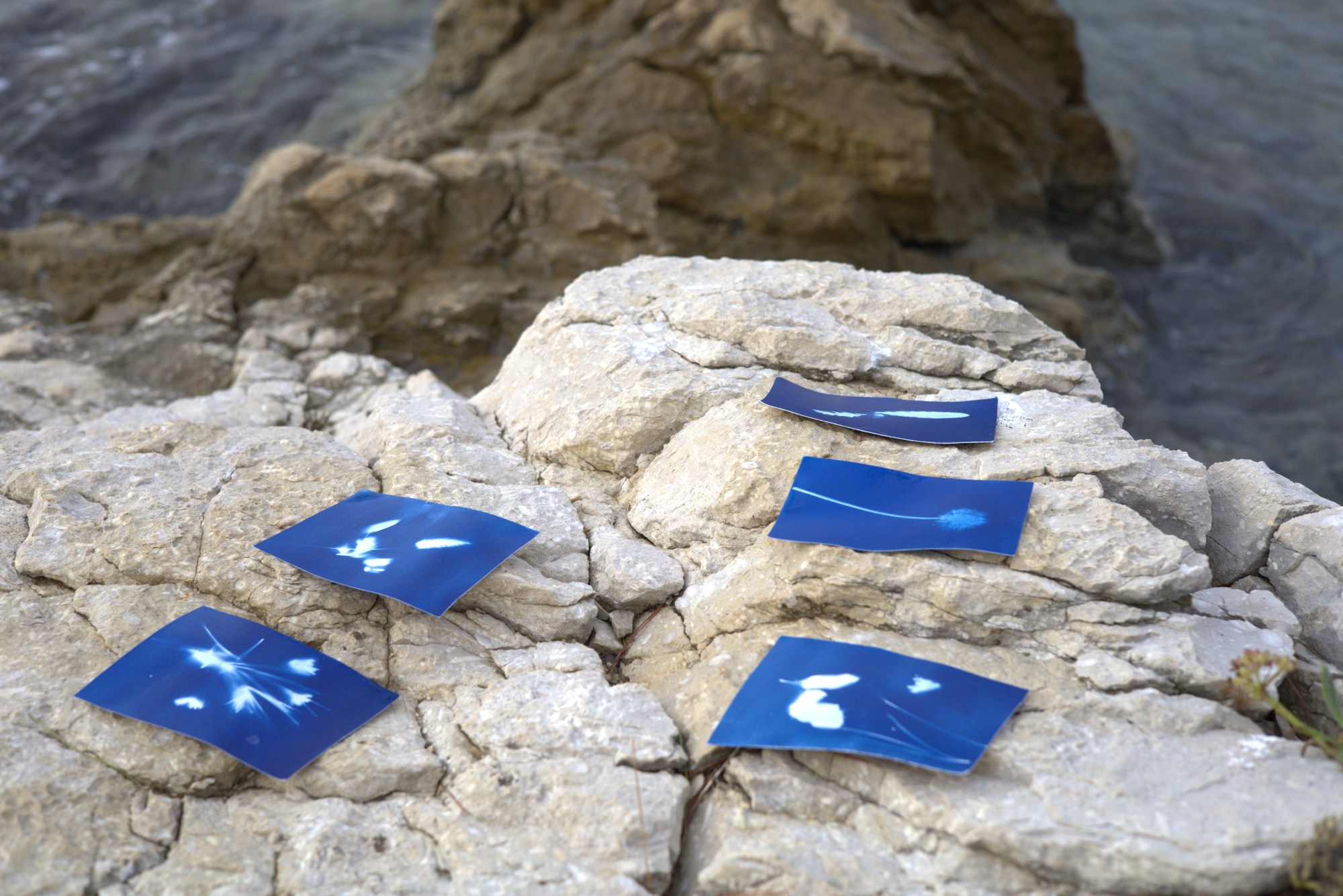
The workshop she organized gathered 7 participants that were invited to experience water as something shared across human and non-human and to reflect on care practices through multisensory engagement with nature and the sea. The workshop started with a multisensory silent walk in Marjan Park to the seashore where the participants did simple reflection exercises and discussed the notion of “hydrocommons” coined by Astrida Neimanis. After that they were able to translate sensory and emotional impressions into a material form through making cyanotypes, based on the natural materials collected during the workshop. This was a highlight for most of the participants, as it was the first time for them learning that process. The workshop was finalized with a communal tea ritual using local herbs, sharing thoughts and reflections.
The take-offs from her research in Split Alexandra brought also in her toolkit article, “Media and identity through a hydrofeminist lens”, where she considers and explores the same approach to the media:
– Just as water carries ecological and political histories, media infrastructures carry their own biases and consequences. Seeing media through this lens highlights material ethics, reminding us that every circulation, whether of water or information, has effects that ripple across bodies, technologies, and identities.
The residency thus served as a research platform for the exploration of the media from an eco-feminist approach; through exploring relationships with ourselves, our own bodies, but also our surroundings – not just other human bodies, but bodies of water and other non-human entities. The importance of this interdependence is not always visible, so the residency ultimately served as a great reminder of this and something to take along with us on this PMP journey.
Writer: Jasmina Šarić, Culture Hub Croatia